Perfecting Homemade Pound Cakes: Expert Tips
- bakerba57
- Dec 10
- 4 min read
There is something truly special about the aroma of a freshly baked pound cake filling your kitchen. It’s a warm, inviting scent that promises comfort and sweetness in every bite. Over the years, I’ve found that baking pound cakes at home is not just about following a recipe. It’s about understanding the little details that make each cake tender, moist, and full of flavor. Today, I want to share some of my favorite tips and tricks to help you perfect your pound cake baking experience. Whether you’re baking for a family gathering, a thoughtful gift, or simply to enjoy a slice with your afternoon tea, these insights will guide you to pound cake bliss.
The Heart of Baking Pound Cakes at Home: Ingredients Matter
When it comes to baking pound cakes at home, the ingredients you choose are the foundation of your success. Pound cakes are simple in their makeup, but each component plays a crucial role.
Butter: Use unsalted butter for the best control over salt content. Make sure it’s at room temperature to cream properly with sugar, creating that light, airy texture.
Sugar: Granulated sugar is classic, but you can experiment with superfine sugar for a finer crumb.
Eggs: Fresh, large eggs at room temperature help the batter emulsify and rise evenly.
Flour: All-purpose flour works well, but for a lighter cake, try cake flour. Sift it to avoid lumps.
Flavorings: Vanilla extract is a must, but don’t hesitate to add lemon zest, almond extract, or even a splash of bourbon for a unique twist.
One of my favorite discoveries is that weighing your ingredients can make a huge difference. It ensures consistency every time you bake, especially with flour, which can vary in volume depending on how it’s scooped.
Mastering the Technique: Step-by-Step for Baking Pound Cakes at Home
The technique you use can elevate your pound cake from good to unforgettable. Here’s a step-by-step approach that I’ve found reliable and rewarding:
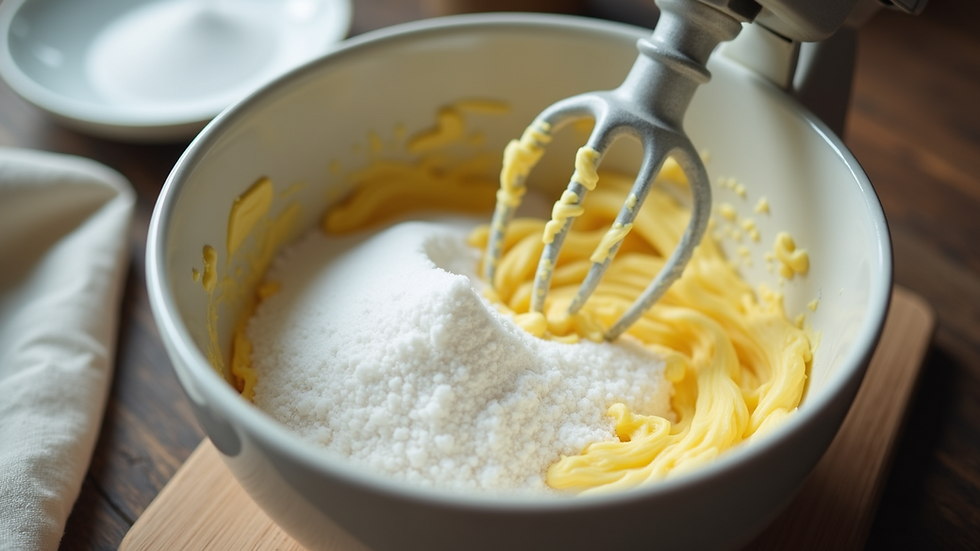
Cream the Butter and Sugar: Beat them together until the mixture is pale and fluffy. This step incorporates air, which helps the cake rise.
Add Eggs Slowly: Add eggs one at a time, beating well after each addition. This prevents the batter from curdling.
Mix Dry Ingredients Separately: Sift your flour and any leavening agents together. This ensures even distribution.
Alternate Adding Dry Ingredients and Liquid: If your recipe calls for milk or buttermilk, add it alternately with the flour mixture. Start and end with the dry ingredients.
Don’t Overmix: Once the flour is incorporated, stop mixing. Overmixing can develop gluten and make the cake dense.
Prepare Your Pan: Grease and flour your pan or use parchment paper to prevent sticking.
Bake at the Right Temperature: Usually, 325°F to 350°F works well. Avoid opening the oven door too often to keep the temperature steady.
By following these steps, you’ll create a batter that bakes into a tender, moist cake with a golden crust.

Choosing the Perfect Pan and Baking Environment
The pan you use can affect how your pound cake bakes. I recommend using a heavy, high-quality loaf pan or a traditional bundt pan. These materials distribute heat evenly, preventing hot spots that can burn the edges while leaving the center undercooked.
Size Matters: Stick to the pan size specified in your recipe. Using a smaller pan can cause overflow, while a larger one may result in a flat cake.
Position in Oven: Place your pan in the center of the oven for even heat circulation.
Oven Calibration: Use an oven thermometer to ensure your oven is baking at the correct temperature. Many ovens run hotter or cooler than the dial suggests.
Creating the right environment for your cake to bake slowly and evenly is key to achieving that perfect crumb and crust.
Enhancing Flavor and Texture: Personal Touches
One of the joys of baking pound cakes at home is making the recipe your own. Here are some ways to add your personal touch:
Add Mix-ins: Fold in fresh berries, chopped nuts, or chocolate chips for bursts of flavor.
Glazes and Toppings: A simple lemon glaze or dusting of powdered sugar can elevate your cake’s presentation and taste.
Infuse Your Butter: Try melting butter with herbs like rosemary or spices like cinnamon before adding it to the batter.
Experiment with Extracts: Almond, coconut, or even a hint of coffee extract can add depth.
Remember, subtlety is key. You want to enhance the classic pound cake flavor, not overpower it.
Caring for Your Pound Cake After Baking
Once your cake is out of the oven, the way you handle it can affect its texture and freshness.
Cooling: Let the cake cool in the pan for about 10-15 minutes before turning it out onto a wire rack. This prevents it from breaking apart.
Storage: Wrap your cake tightly in plastic wrap or store it in an airtight container to keep it moist.
Freezing: Pound cakes freeze beautifully. Slice before freezing for easy portioning later.
Taking these steps ensures your cake stays delicious for days, perfect for sharing or savoring slowly.
Bringing It All Together: The Joy of Homemade Pound Cakes
Baking pound cakes at home is more than just a culinary task - it’s a way to create moments of joy and connection. Whether you’re sharing a slice with loved ones or gifting a beautifully wrapped cake, the effort you put into perfecting your recipe shines through. If you’re looking for inspiration or a trusted source for homemade pound cakes, I highly recommend exploring options that bring that same warmth and comfort to your table.
I hope these tips encourage you to embrace the art of pound cake baking with confidence and love. There’s nothing quite like the satisfaction of slicing into a cake you made with your own hands, knowing it will bring smiles and sweet memories.
Happy baking!


Comments